CASE FILE / UNSOLVED MURDER / GERMANY
The Hinterkaifeck Murders
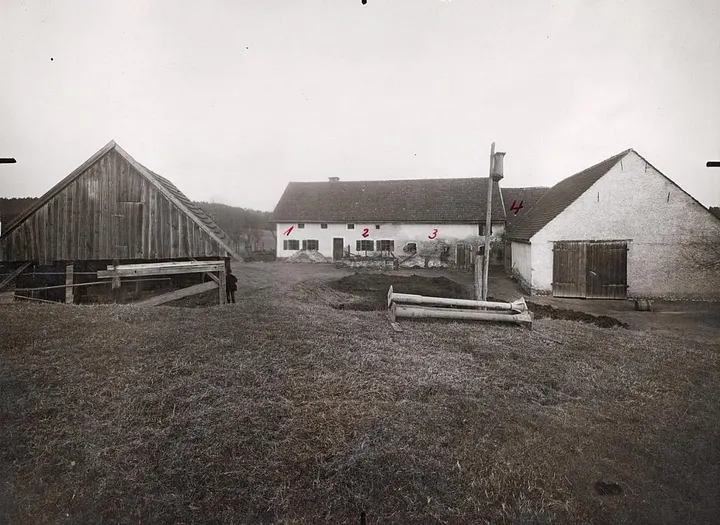
On March 31st, 1922, six people were murdered inside their remote farm, Hinterkaifeck, in Bavaria, Germany.
The Full Story
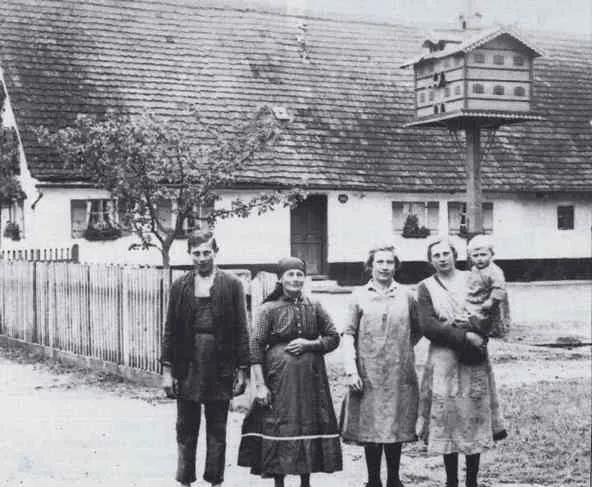
On the night of March 31, 1922, six people were killed at an isolated farmstead in Bavaria, Germany. The farm was known as Hinterkaifeck, a remote property surrounded by fields and woodland, far from the nearest village.
The victims were Andreas Gruber, 63, and his wife Cäzilia Gruber, 72. Their widowed daughter, Viktoria Gabriel, 35, also lived on the farm with her two children: Cäzilia, aged 7, and Josef, aged 2. The sixth victim was Maria Baumgartner, the family’s new maid, who had arrived at the farm on the same day the murders took place.
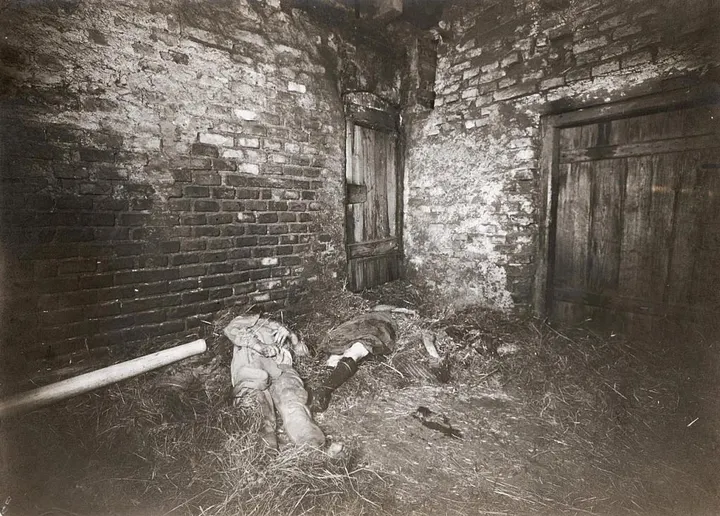
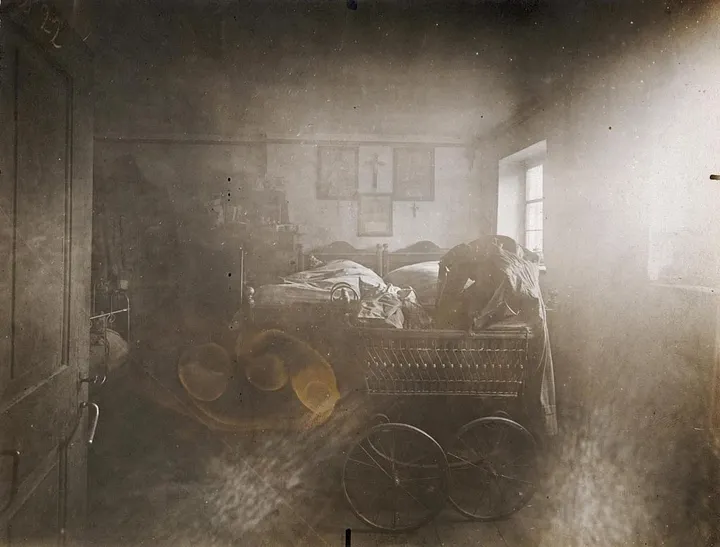
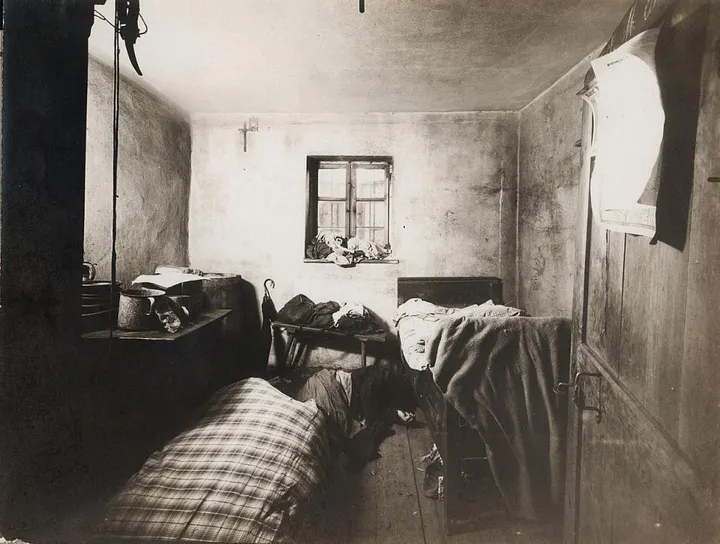
The attack happened sometime between the evening of March 31 and the early hours of April 1. The weapon was a heavy farming tool, similar to a pickaxe or hoe. Four of the victims were found in the barn. Andreas, Cäzilia, Viktoria, and young Cäzilia appear to have been drawn there one after another before they were attacked. Maria Baumgartner was killed in her room inside the house. Josef was killed while he was in his bed.
The murders were not discovered immediately. For several days, the farm appeared strangely active. Smoke was seen coming from the chimney. The animals were fed. Food had been eaten inside the house. Bread was missing from the kitchen, and meat had been cut from the pantry.
Whoever killed the family did not appear to leave immediately. The person, or people, responsible seemed to remain on the property for days after the murders.
Before the killings, the family had reportedly experienced several strange incidents. Andreas Gruber told neighbours that he had found footprints in the snow leading from the forest toward the farm. What disturbed him was that he could not find a trail leading back out.
There were also reports of noises coming from the attic. The family heard footsteps and movement above the rooms of the house. Andreas searched the attic but reportedly found no one.
A key disappeared. A newspaper from Munich appeared on the property even though no one in the household had bought it, and no one nearby was known to subscribe to it. Some locks around the farm were said to have been damaged or disturbed.
The previous maid had left the farm months earlier. She later said she had been frightened by strange sounds from the attic and believed the house was haunted.
On March 31, Maria Baumgartner arrived to begin work at Hinterkaifeck. Her sister brought her to the farm, stayed briefly, and then left. She was likely the last known person to see the family alive.
Four days later, concern began to grow. Young Cäzilia had missed school. The family had not appeared at church. Visitors came to the farm but received no answer.
On April 4, 1922, a group of neighbours went to Hinterkaifeck to investigate. They entered the property and found four bodies inside the barn. The bodies of Maria Baumgartner and Josef were later found inside the house.
The crime scene was difficult to investigate. Many people had entered the property before police fully secured it. Some walked through the rooms and around the bodies. Evidence may have been moved or contaminated. This was also 1922, long before DNA analysis, surveillance cameras, phone records, or modern forensic methods.
Investigators initially considered robbery as a motive. However, money and valuables were still found at the farm. That weakened the robbery theory.
Another possibility was that the killer knew the family and understood the farm. The person who stayed after the murders appeared to know how to care for the animals, move around the property, and use the house without drawing immediate attention.
Over the years, many people were questioned. One of the best-known suspects was Lorenz Schlittenbauer, a neighbour who had a personal connection to Viktoria Gabriel. He believed that Josef might have been his son. However, no evidence was ever found that proved he committed the murders.
Other suspects included travelling workers, local criminals, former farmhands, and men connected to the area. Many lines of investigation were pursued over the years, but none led to a confirmed killer.
The farm itself was demolished in 1923, less than a year after the murders. The case was officially closed in 1955, but investigations and interrogations continued for decades. Some of the final questioning connected to the case took place in 1986.
More than a century later, no one knows who killed the six people at Hinterkaifeck. The unanswered questions remain the same: who was inside the farm before the murders, why did the killer stay after the attack, and how did someone commit one of Germany’s most disturbing crimes without ever being identified?
What Makes This Case Strange?
Footprints Leading In
Footprints were reportedly found leading toward the farm, but none were found leaving.
Noises in the Attic
Before the murders, the family reportedly heard strange sounds from above the house.
Missing Key
A key disappeared before the crime, adding to the feeling that someone had access to the property.
The Killer Stayed
After the murders, someone appeared to feed the animals, use the kitchen, and remain on the farm.
Timeline
March 31, 1922
The murders are believed to have taken place.
April 4, 1922
Neighbors discover the bodies at the farm.
1955
The case is officially closed.
1986
One of the last interrogations connected to the case takes place.
People Involved
- Andreas Gruber — 63 years old
- Cazilia Gruber — 72 years old
- Viktoria Gabriel — 35 years old
- Cazilia Gabriel — 7 years old
- Josef Gabriel — 2 years old
- Maria Baumgartner — the new maid
Theories
Robbery
Some believed the motive was robbery, but the theory became weak because valuables were reportedly left behind.
Someone Who Knew the Farm
The killer seemed to understand the property, the animals, and the routine of farm life.
Lorenz Schlittenbauer
Suspicion fell on a neighbor connected to Viktoria Gabriel, but no one was ever proven guilty.
Unknown Intruder
Another possibility is that the killer was someone outside the family who had been watching the farm.
Case Status
The Hinterkaifeck murders remain unsolved. The farm was later demolished, but the strange details around the crime continue to make this one of the most disturbing unsolved cases in history.
Watch the Video
Watch the full video breakdown of the Hinterkaifeck murders on YouTube.
Watch on YouTube